Focus area
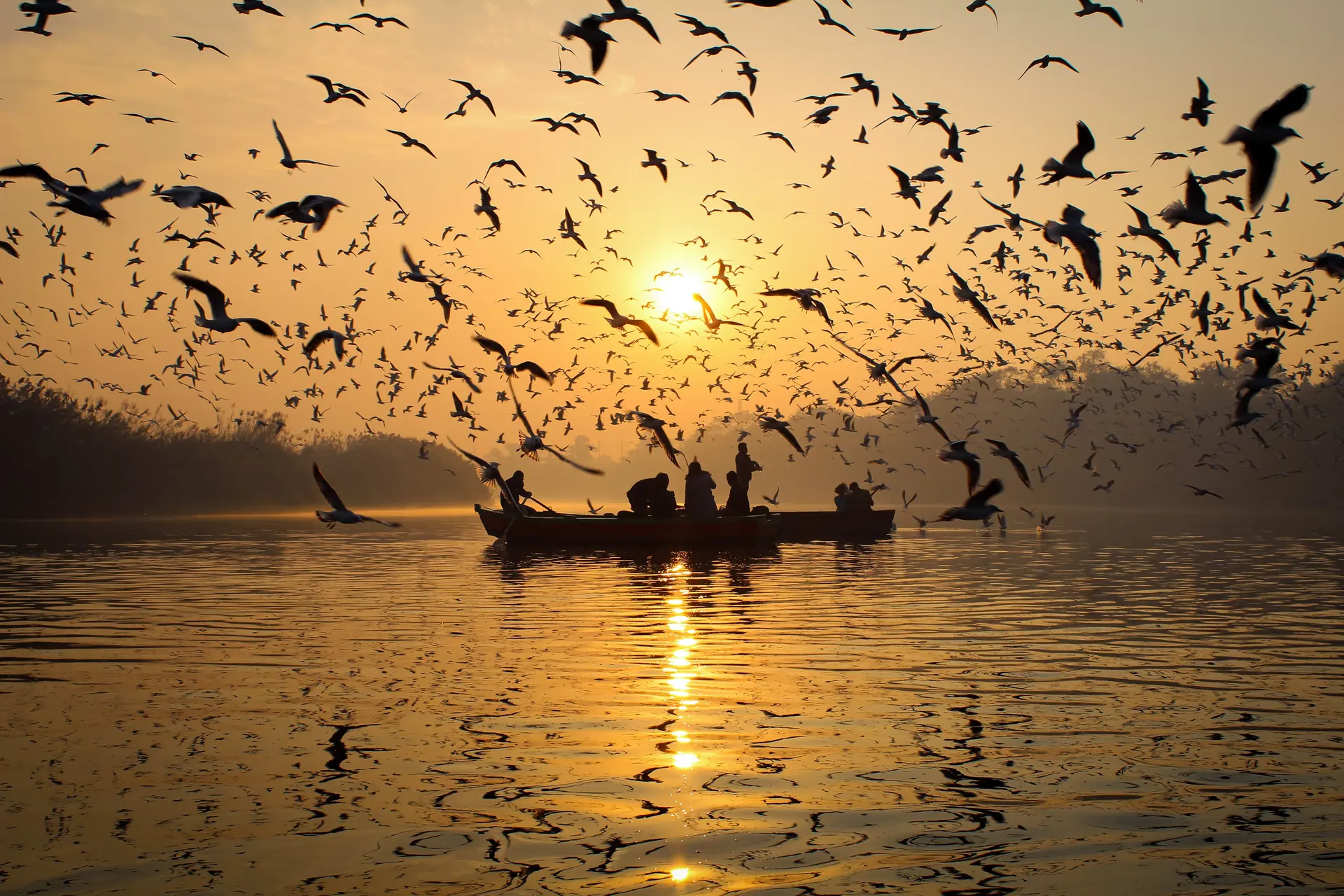
Yamuna River
A great northern river crossing one of the world's largest cities, and a place where independent observation and community care could help.
Program
Rivers carry water, sediment, nutrients and, too often, waste, from where people live to the sea.
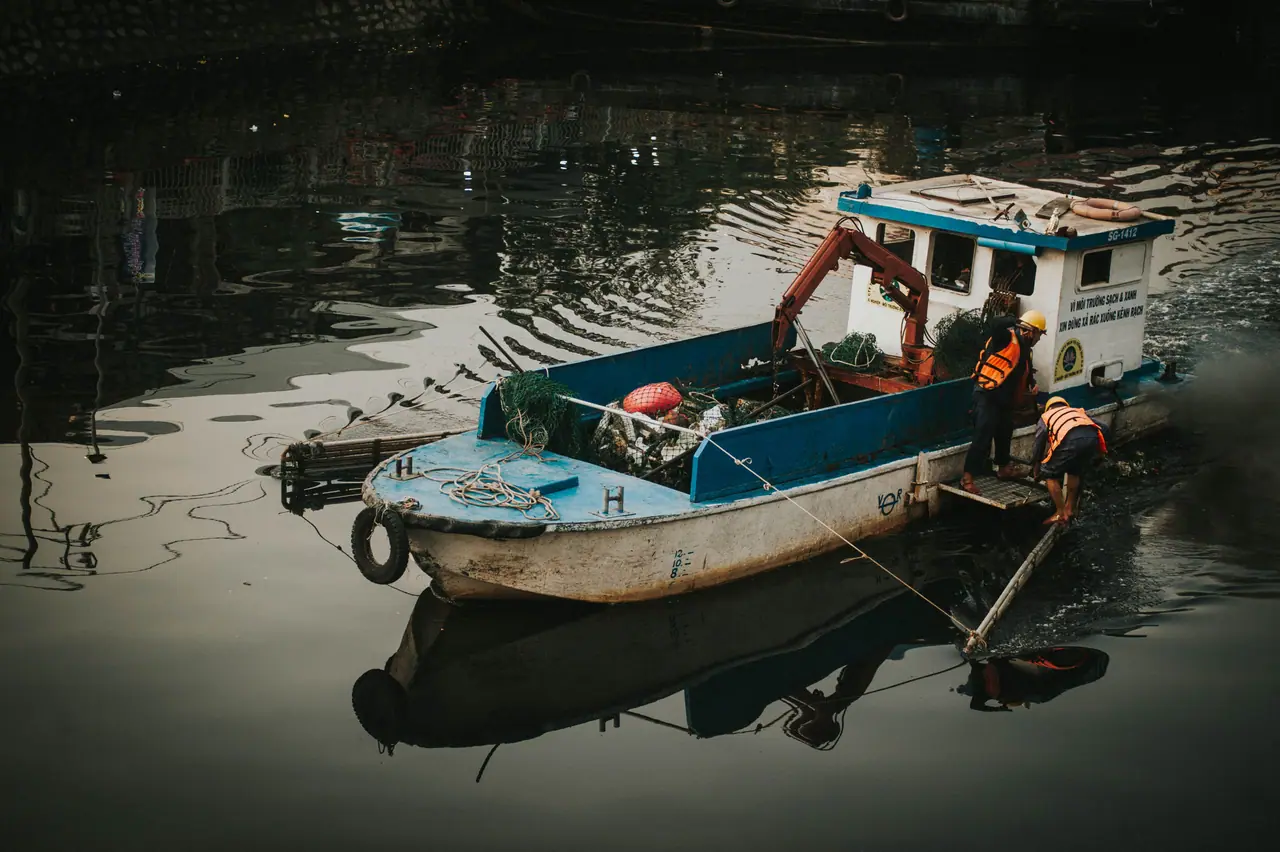
Many of the world's busiest cities grew beside rivers. Today those same rivers often receive wastewater, litter and runoff from the land around them. Our river program aims to help communities understand what is entering their rivers and to support locally led care.
It begins in places where people already work and where they have invited, or would welcome, outside skills.
When sewage and drainage systems cannot keep up with growing cities, untreated water can reach rivers.
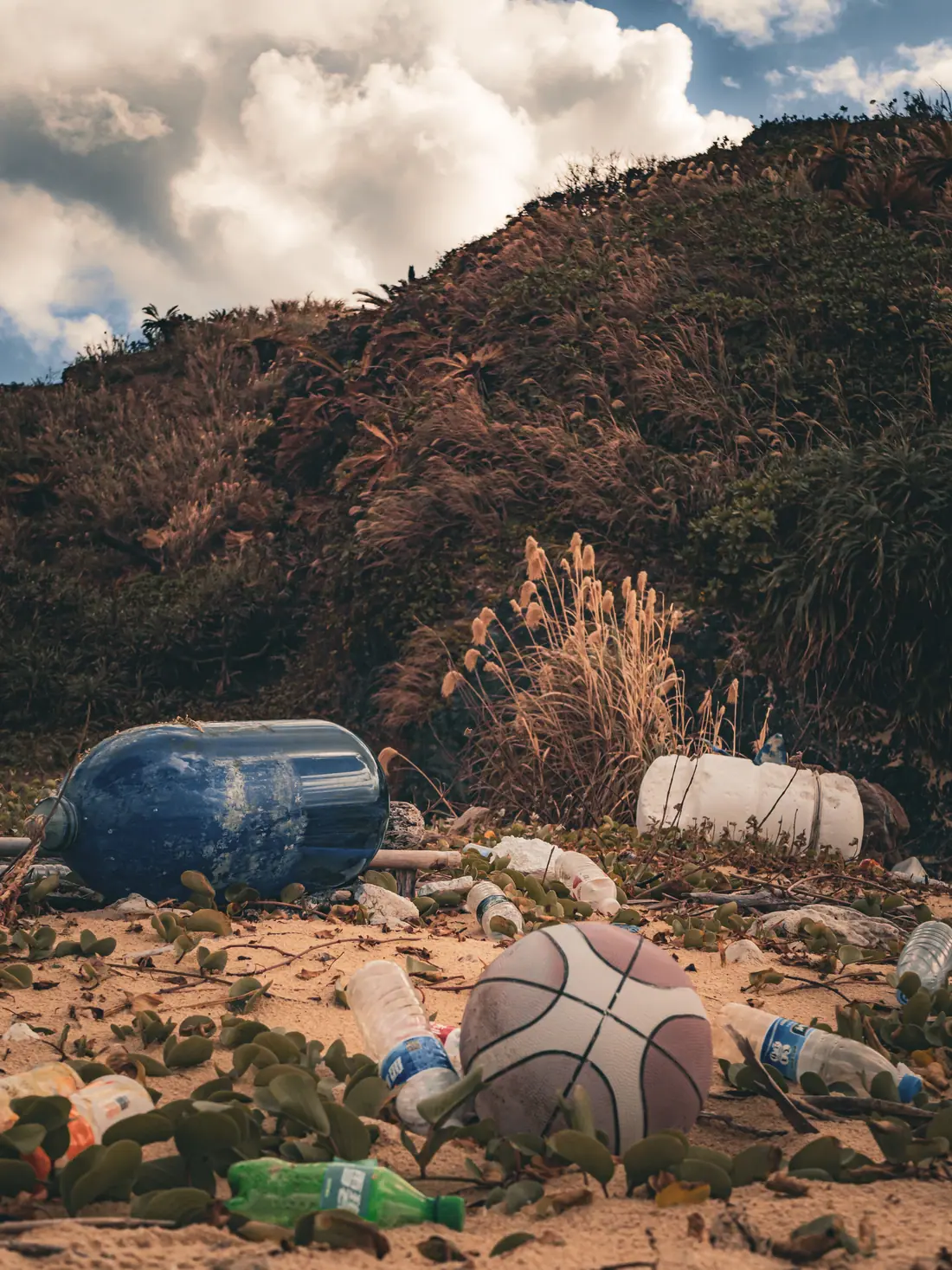
Litter washes through drains and streams into rivers, where it breaks down into smaller pieces that are very hard to recover.
Factories, slaughterhouses and farms can add pollutants if they are not carefully managed.
Clearing forest and wetlands, or building on riverbanks, changes how rivers carry water and soil, and can increase flooding.
Cleanup and habitat restoration do not make water safe to drink. If we take part in safe-water work, it would be as a separate program, supporting qualified local teams with appropriately scoped monitoring, equipment, maintenance and access projects.
Focus area
A great northern river crossing one of the world's largest cities, and a place where independent observation and community care could help.
Focus area
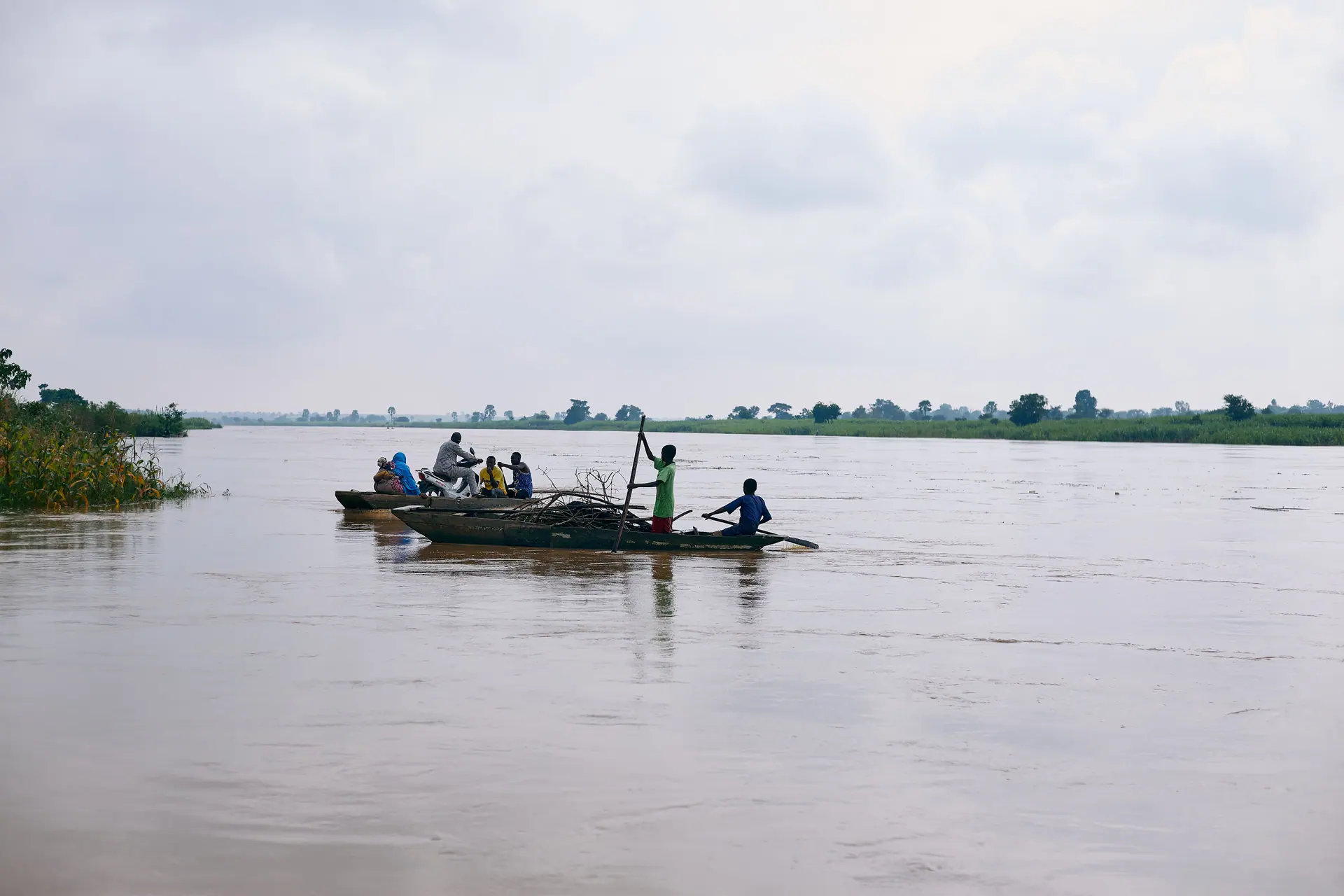
A highland river beside Madagascar's capital, where research has found microplastics that are easy to overlook.

Focus area
A river basin running through Tanzania's largest city, facing floods, waste and sewage all at once.

Focus area
An urban catchment near Maputo where river water, drains and sanitation are closely linked.

Focus area
Kenya's longest river, where caring for the land upstream shapes the water that reaches millions downstream.
Focus area
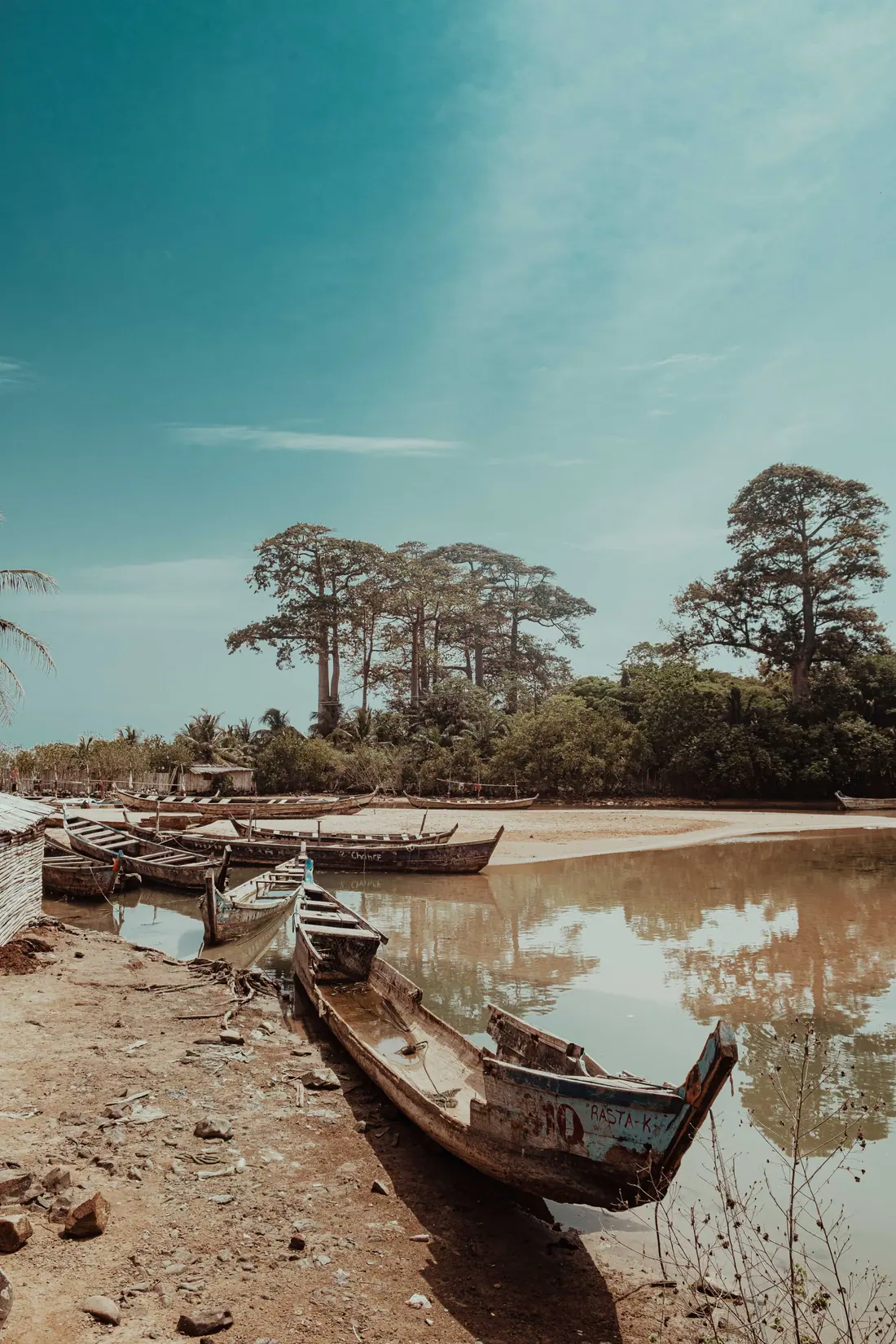
A city river linking Accra's streets to the sea, where plastic travels from drains to the shore.
Focus area
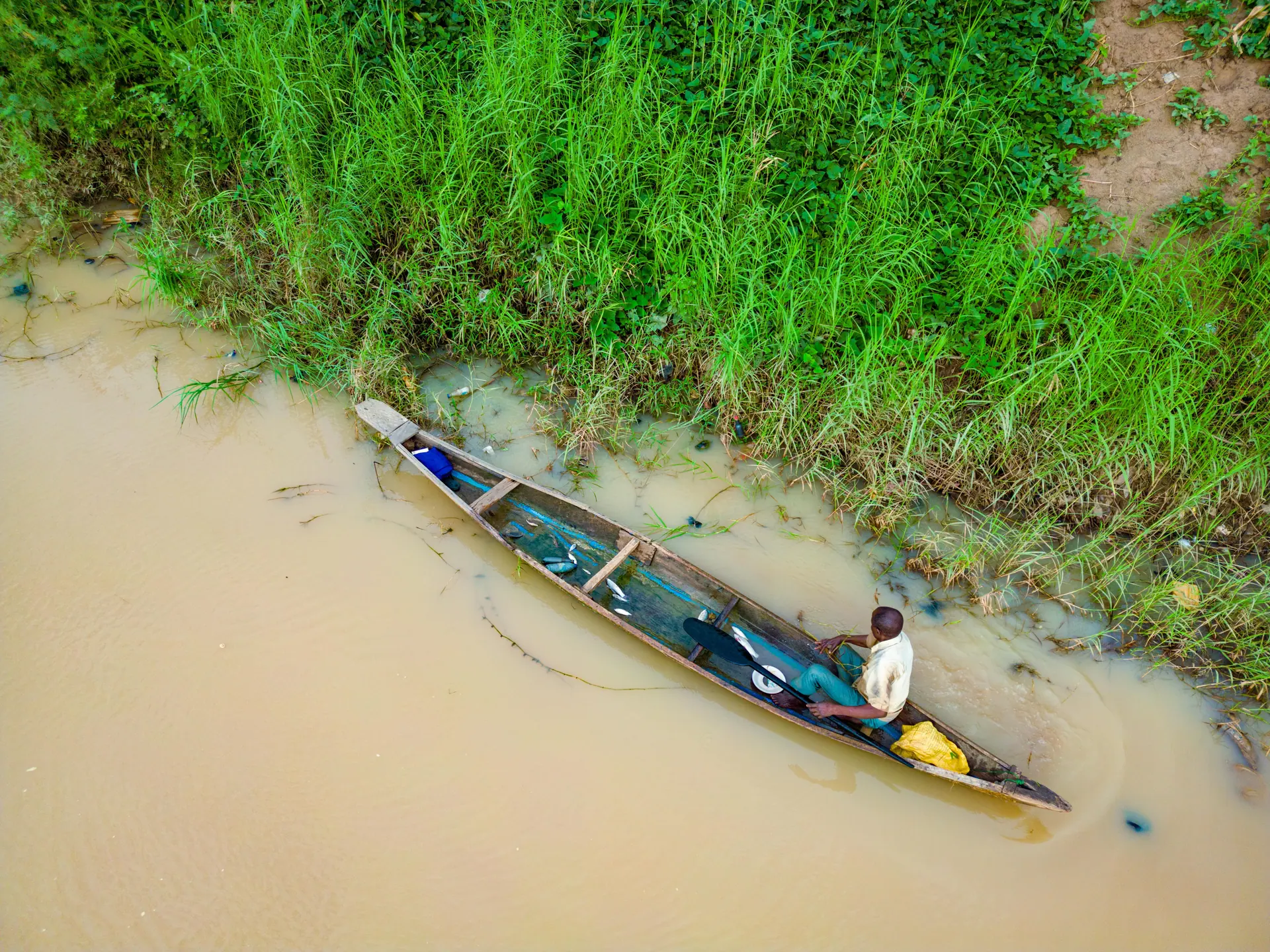
A river where we have little current information, so listening and measuring come before anything else.

Focus area
A Johannesburg river where restoring springs and wetlands upstream could help the water downstream.

Focus area
A heavily urban river basin in and around Buenos Aires that is the subject of a long-running Supreme Court cleanup order.
Focus area
A long river that crosses São Paulo, where volunteers have tracked water quality for more than 30 years.

Focus area
A river that runs through the center of Santiago, where sanitation has improved but litter and trace contaminants remain a concern.
Focus area
A high Andean river that runs past Bogotá and receives much of the city's wastewater on its way to the Magdalena.

Focus area
A river that crosses Quito, where sewage and solid waste are major pressures and a court has recognized the river's rights.
Focus area
The river that supplies most of Lima's water, with documented pressure from wastewater, solid waste and upper-basin mining.
Organization to exploreWorks on this waterway
A Delhi environmental organization that works with young people on river, air and nature issues. Its Yamuna-related work includes the Yamuna Yatra, a youth journey along the river, and it publishes river readings. It also works beyond Delhi.
Organization to exploreCountry-level expertise
Madagascar's national network for the water, sanitation and hygiene sector. It shares information, brings organizations together and supports project leaders. It offers country-level expertise, and we have found no published connection to the Ikopa.
Organization to exploreCountry-level expertise
A Tanzanian organization focused on waste reduction and community cleanups in Dar es Salaam. A 2024 report by the No Burn network describes its role in a citywide cleanup day. Its relevance is at city level, and the report does not mention the Msimbazi.
Organization to exploreCountry-level expertise
The Mozambique office of the global WWF network, working on conservation across the country, including freshwater and ocean themes. We have found no published connection to the Infulene.
Organization to exploreWorks in a related habitat
A trust focused on watershed conservation and management in the Upper Tana, the highland catchment that feeds the Tana River. Its work is in the upper catchment rather than on urban rivers.
Official website of Upper Tana-Nairobi Water Fund Trust (external site)
Organization to exploreWorks on this waterway
An international organization whose Ghana program focuses on plastic pollution in the Odaw River, combining awareness, cleanup events and prevention measures. It is not a locally founded NGO.
Official website of River Cleanup, Ghana program (external site)
Organization to exploreCountry-level expertise
A long-standing national nature conservation organization in Nigeria with wetland and habitat interests. We have found no verified connection to the Ogun River.
Official website of Nigerian Conservation Foundation (external site)
Organization to exploreWorks on this waterway
A citizen-led nonprofit in Johannesburg working to rehabilitate the upper Jukskei headwaters, restoring springs and wetlands. The most directly relevant organization in this directory.
Organization to exploreWorks on this waterway
An independent Argentine civil society organization, active since 1985, working on environmental protection and human rights. Its website lists the Riachuelo as a thematic area, and the Buenos Aires city government names it as one of the civil society organizations in the Cuerpo Colegiado created after the Supreme Court's 2008 ruling to follow the cleanup. In 2025 FARN and other organizations took a complaint about the basin to the Inter-American Commission on Human Rights.
Official website of FARN (Fundacion Ambiente y Recursos Naturales) (external site)
Organization to exploreWorks on this waterway
The Argentine branch of Greenpeace, which describes itself as a nonprofit, independent organization that does not accept donations from governments, companies or political parties. The Buenos Aires city government lists it among the civil society organizations in the Cuerpo Colegiado that follows the Matanza-Riachuelo cleanup, and its own ten-year article on the 2008 ruling comments on the basin and on planned incinerator plants there.
Organization to exploreWorks on this waterway
A multidisciplinary Argentine non-governmental human rights organization, active since 1989, whose programs include environment and water issues. The Supreme Court accepted it as an interested third party in the Matanza-Riachuelo case, and it is listed among the civil society organizations in the Cuerpo Colegiado. Its website carries a series of posts on the Riachuelo, including a 2025 complaint to the Inter-American Commission on Human Rights. It is a rights and advocacy organization rather than a field cleanup group.
Official website of ACDH (Asociacion Ciudadana por los Derechos Humanos) (external site)
Organization to exploreWorks on this waterway
A Brazilian civil society foundation working on the Atlantic Forest and clean water. Its Observando os Rios program, which began in 1993 as Observando o Tietê, has volunteers monitor river quality each month, and its annual Tietê study tracks the river's pollution stretch. Its 2025 Tietê expedition was carried out with Unifesp, UFABC, CENA/USP and USCS, with support from Instituto Itaúsa.
Official website of SOS Mata Atlântica Foundation (external site)
Organization to exploreCountry-level expertise
A Brazilian civil society institute (OSCIP) founded in 2007 that works for universal sanitation, including sewage collection and treatment. Its website describes research, public awareness and an annual Ranking do Saneamento of Brazilian municipalities. Its relevance is at country level, and the pages we read do not mention the Tietê.
Organization to exploreCountry-level expertise
A non-profit organization, founded in 2010, that mobilizes people for cleanups and proper waste disposal and is Brazil's representative of the Let's Do It movement behind World Cleanup Day. Its own site reports actions in more than 1,200 cities. Its relevance is at country level, and the pages we read do not mention the Tietê.
Organization to exploreWorks on this waterway
A Chilean nonprofit foundation focused on the Mapocho River. Its website lists educational workshops and school field trips, reforestation, river cleanups and nature-based art and wellbeing activities. The Clinic (2024) reports it works along the river's 16 communes and 110 kilometers, and Pauta (2024) reports more than 25 tons of garbage cleaned.
Organization to exploreWorks on this waterway
A community environmental group formed in 2020 by neighbors who began by clearing trash from the Mapocho between Maipú and Padre Hurtado. Its stated mission is research, protection, restoration and conservation of the Mapocho El Trebal biological corridor, and it works through environmental education and community action. Sources describe it as one of the civil groups behind the river's urban wetland recognition. Its only public page we found is on Instagram, and a source says it aims to become a formal foundation.
Official website of Biocorredor Mapocho El Trebal (external site)
Organization to exploreWorks in a related habitat
A Chilean nonprofit foundation, established in 2014, that designs and manages nature-based public spaces and urban wetland projects. It administers the Río Maipo wetland nature sanctuary, about 60 hectares at the mouth of the Maipo, the river the Mapocho joins. In June 2024 La Tercera quoted its staff on tons of plastic and other waste reaching the estuary after heavy rains. Sources do not tie it to the Mapocho itself.
Organization to exploreWorks on this waterway
A Bogotá non-profit (ONG) founded in 1994. Its website says its early focus was water problems on the Bogotá River, including river expeditions and international river conferences, and that it now restores riparian and high-Andean forest in the upper Bogotá basin, with a goal of planting 1.5 million trees. A BBVA article on a reforestation alliance describes its work in the upper Río Bogotá basin.
Organization to exploreWorks in a related habitat
A non-profit founded in 2011 as a citizen environmental education project on Bogotá's wetlands. Its website lists ecological walks, tree planting, workshops, bird monitoring and citizen science, and a state-of-knowledge document on the wetlands of the Bogotá River basin prepared under an agreement with the Humboldt Institute. Its main work is on wetlands rather than the river channel.
Official website of Fundación Humedales Bogotá (external site)
Organization to exploreCountry-level expertise
A Colombian non-profit founded in 1985 that works on ecological restoration and environmental education. Its website describes a project on artisanal fishing on the Magdalena River, and a BBVA article describes its riparian-forest restoration around the Ciénaga de Zapatosa. Its sources do not tie it to the Bogotá River itself, only to the Magdalena basin the Bogotá joins.
Organization to exploreWorks on this waterway
An Ecuadorian coalition that describes itself as a body representing non-profit civil organizations working to defend nature and the environment. Euronews and Climate Week NYC name it among the groups that supported the 2024 Machángara rights-of-nature case in Quito. Its own website does not mention the Machángara.
Organization to exploreWorks on this waterway
A volunteer citizen collective in Quito, founded in 2021, that organizes community cleanups (mingas), education and advocacy for the San Pedro River. Expreso reported that by early 2025 it had held 22 mingas with more than 1,500 volunteers and collected more than 13 tons of waste. Acción Ecológica names it among the collectives behind the 2024 Machángara ruling, and its link page lists information on the Guardianas del Machángara. Its own cleanups focus on the San Pedro rather than the Machángara.
Official website of Colectivo Rescate del Río San Pedro (external site)
Organization to exploreCountry-level expertise
A long-established Ecuadorian environmental organization whose website covers water as a human right, rights of nature, climate and extractive industries. It published an analysis of the 2024 Machángara ruling and hosts the court sentence. The sources reviewed do not describe it running river cleanups or monitoring itself, so its relevance is at country level.
Organization to exploreWorks on this waterway
The Water Fund for Lima and Callao, which says it works to conserve, protect and restore the Chillón, Rímac and Lurín watersheds. Its website describes it as a multisectoral platform and lists programs on water seeding (nature-based infiltration), climate education, water efficiency, water access and governance, with 61 projects and more than 320,000 people benefited. A 2013 article describes it as a civil association created in 2010 by Backus, Grupo GEA, Fondo de las Américas, PUCP, The Nature Conservancy and SPDA.
Official website of Aquafondo (Fondo de Agua para Lima y Callao) (external site)
Organization to exploreWorks on this waterway
A Peruvian environmental law organization founded in 1986 by a group of students. Its website lists water as an action line, and its environmental policy program has published analysis of Rímac River pollution and recovery (2011 and 2025). It is a founding member of Aquafondo. Its role is legal and policy work rather than field cleanup.
Official website of Sociedad Peruana de Derecho Ambiental (SPDA) (external site)
Organization to exploreCountry-level expertise
A Lima organization founded in 2002 that works on inclusive recycling, environmental education and integrated solid-waste management. A 2019 Andina report calls it an NGO and describes its partnership with Lima's municipality on recycling stations in central Lima. Its own site does not mention the Rímac, so its relevance is country-level.
If you work on rivers or the communities beside them, we would like to hear from you.
Connect with us