Focus area
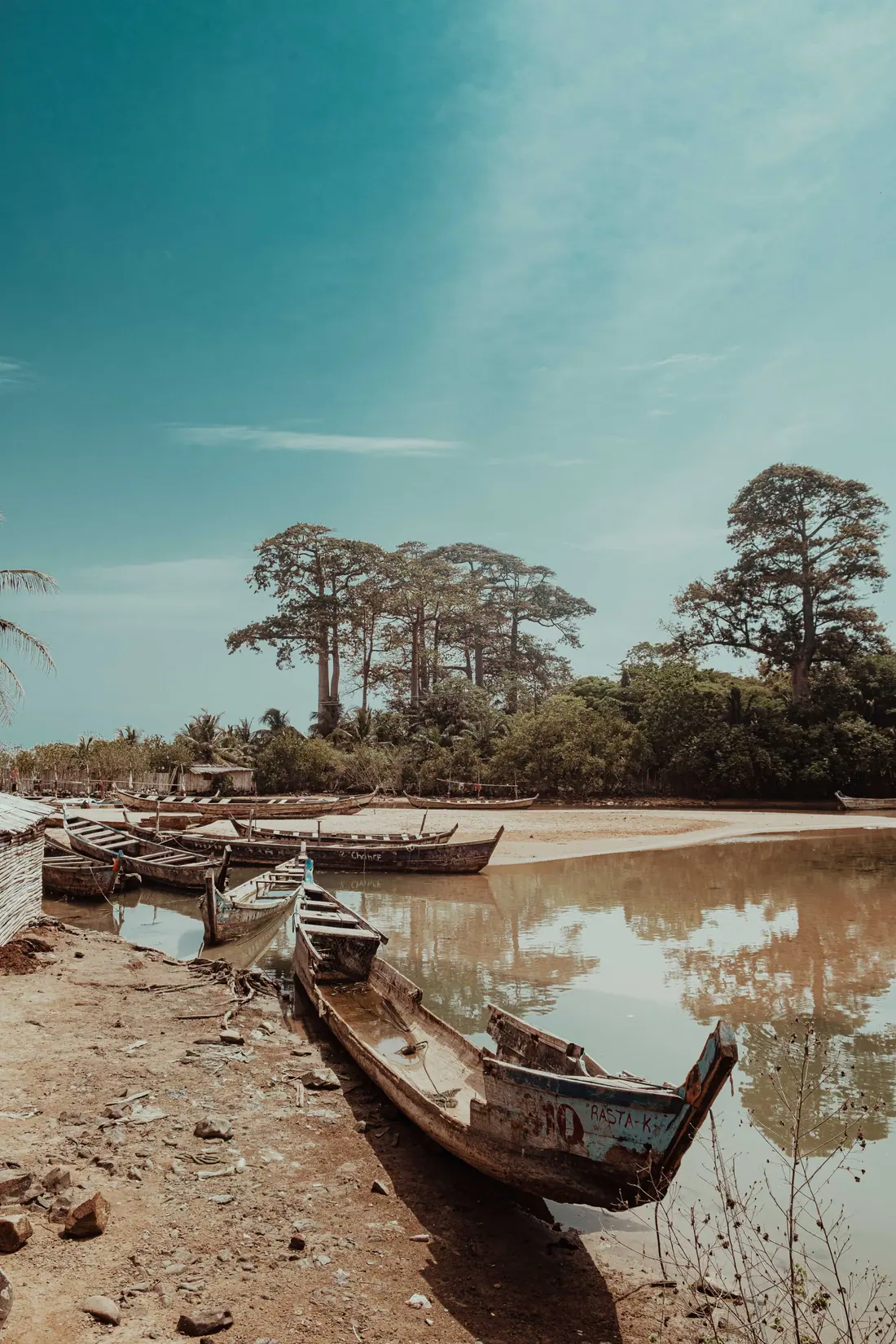
Odaw River
A city river linking Accra's streets to the sea, where plastic travels from drains to the shore.
Program
Coasts receive what rivers carry and what ocean currents bring. Understanding both is the first step toward cleaner shores.
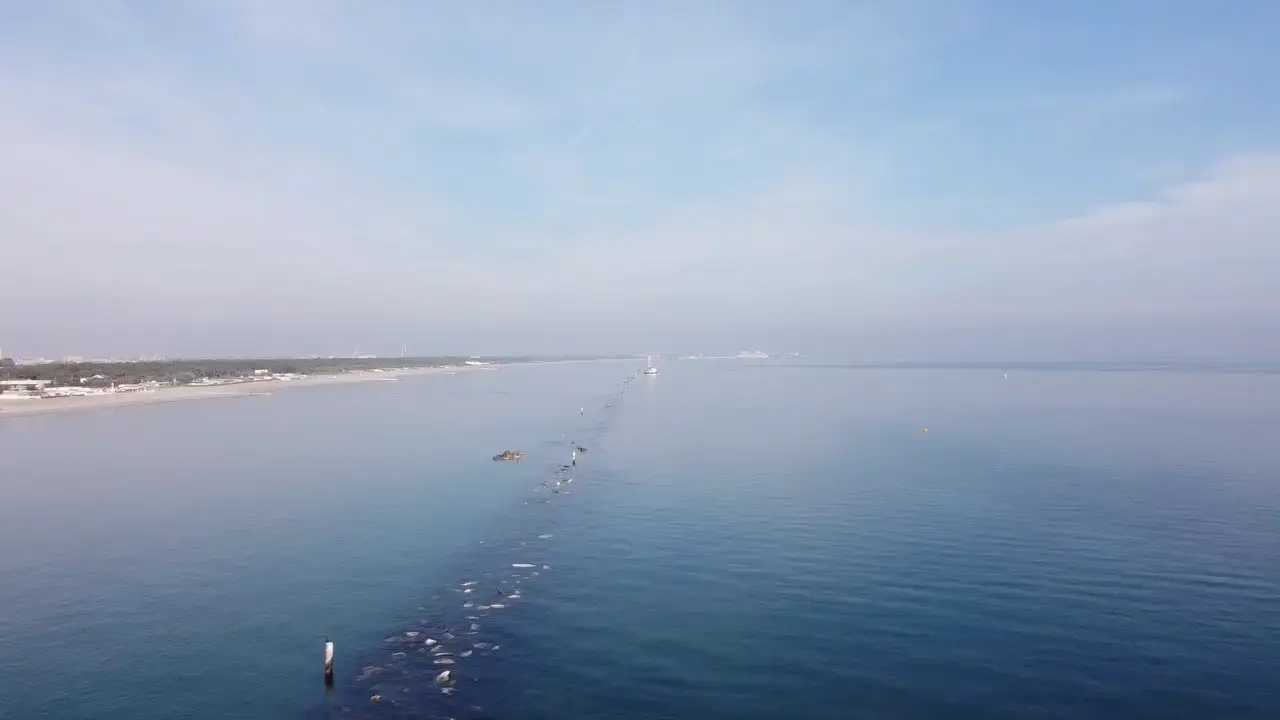
Beaches and coastal waters are where land and sea meet, and they show the effects of both. Our coastal program aims to support local groups who survey, clean and protect their shores, and to put prevention first.
Our initial coastal interest is the islands of São Vicente and Santa Luzia in Cabo Verde.
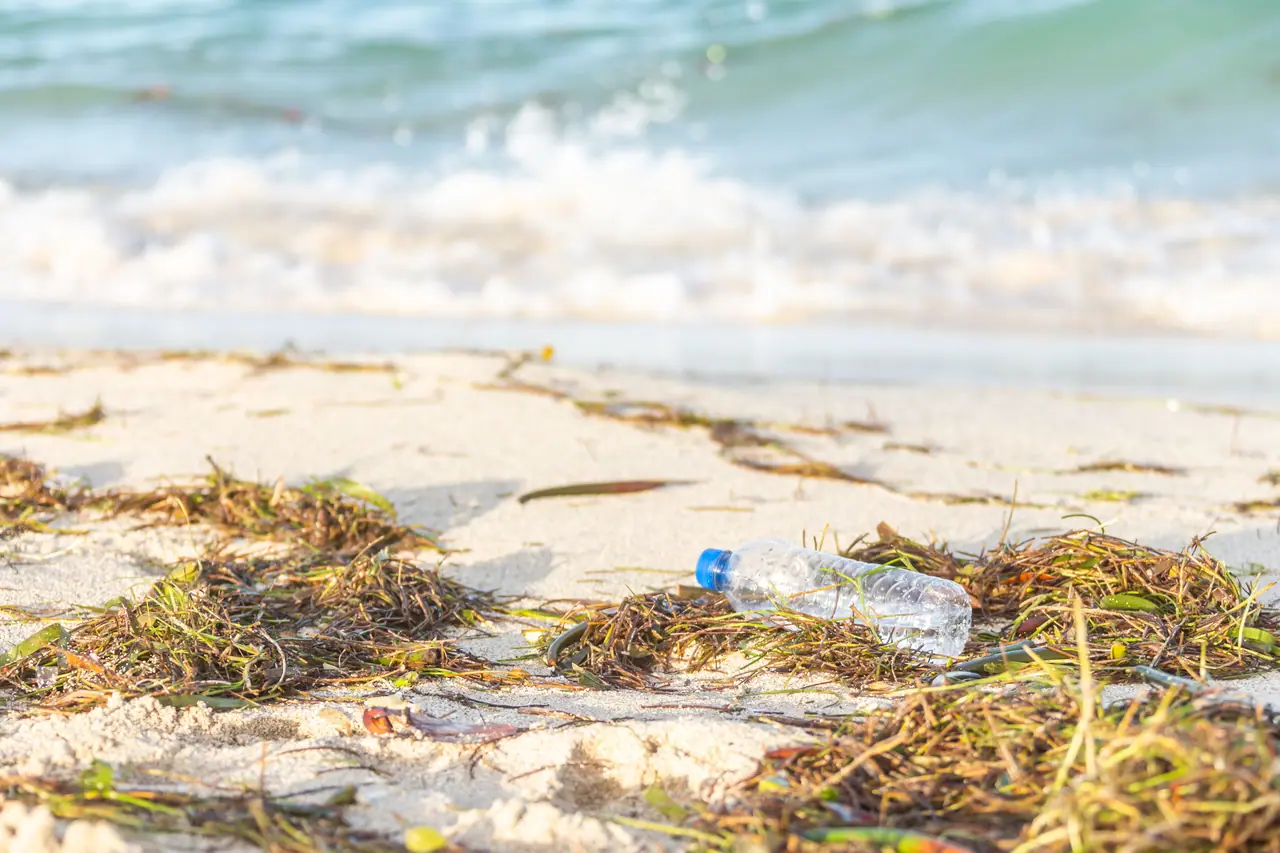
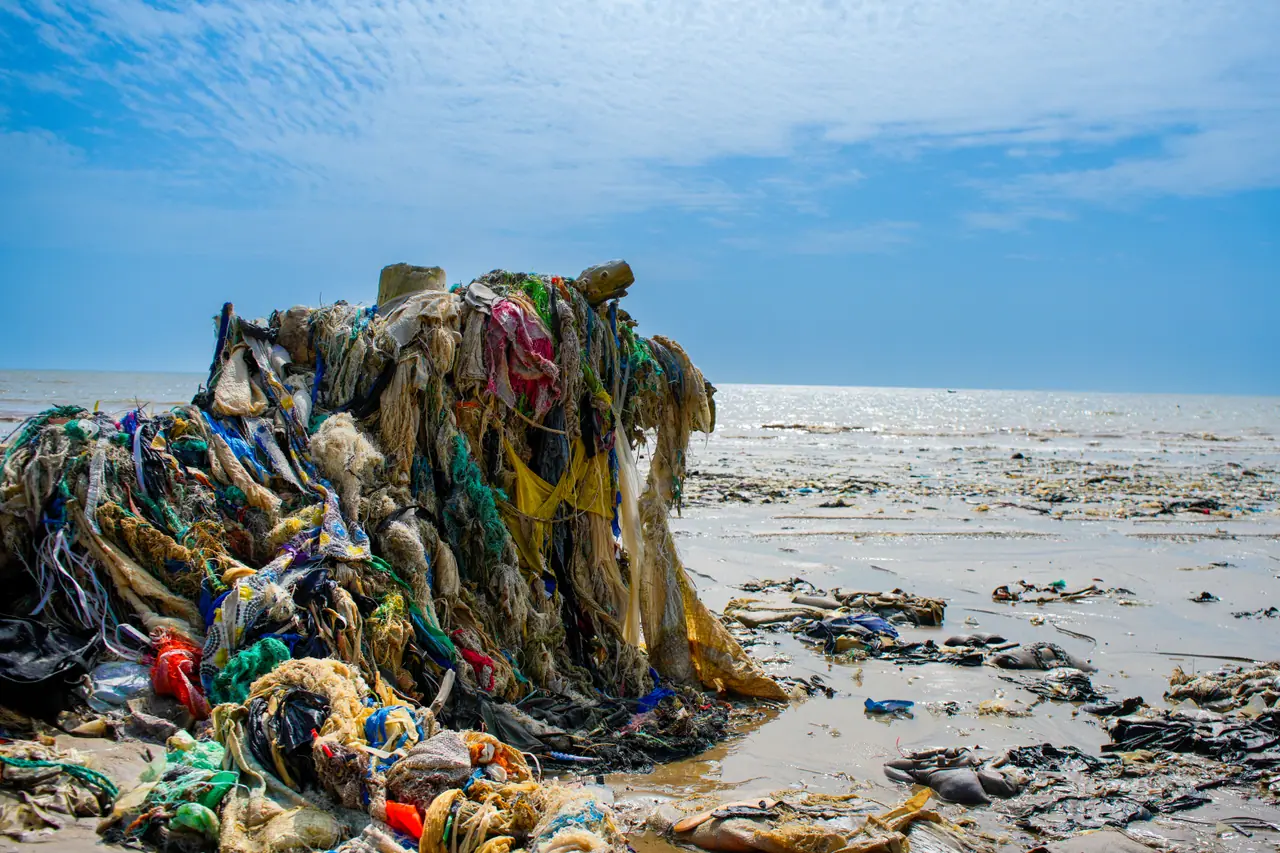
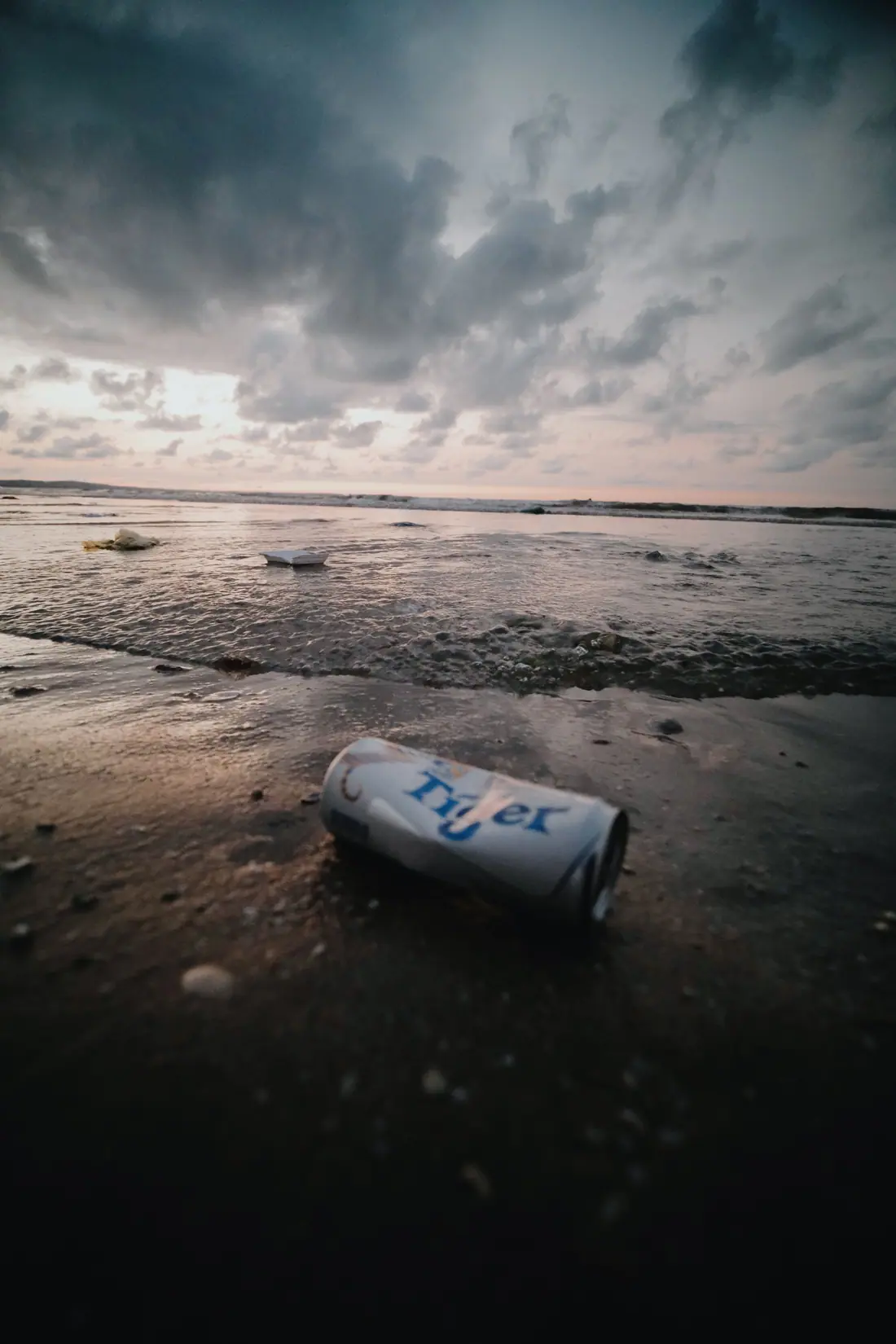
Coastal litter comes from nearby towns, from rivers and from ocean currents that carry waste across long distances.
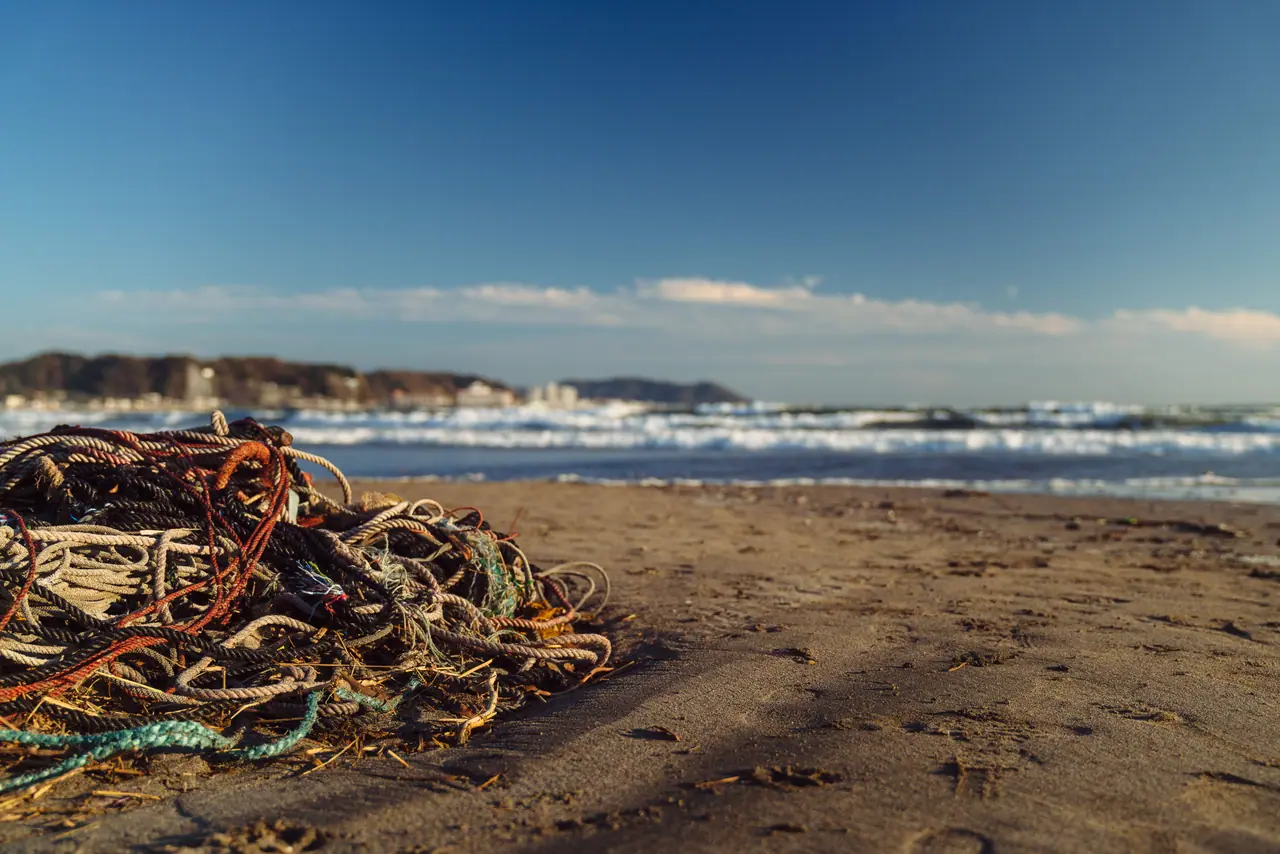
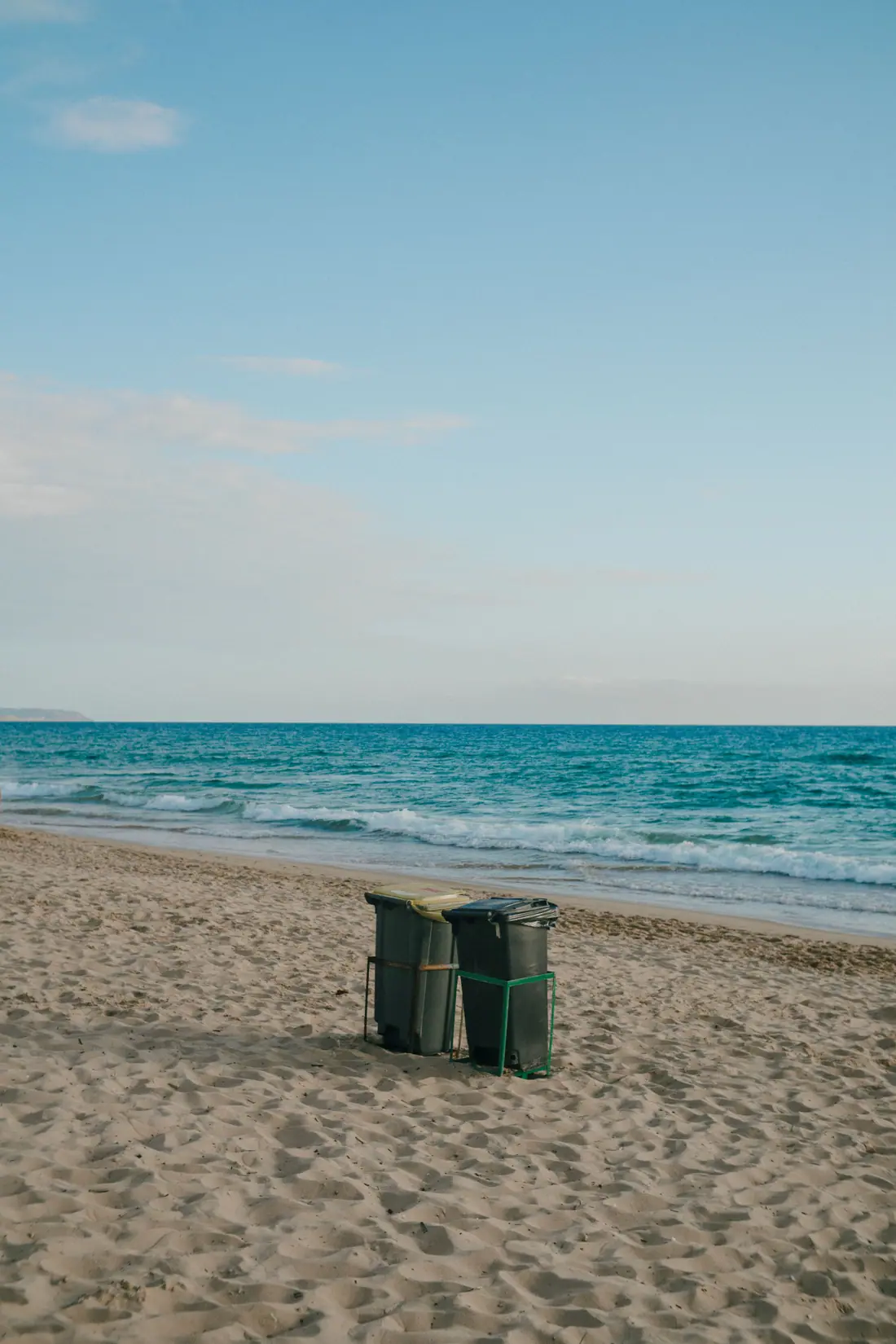
Collected waste still needs somewhere to go, especially on small islands with limited facilities.
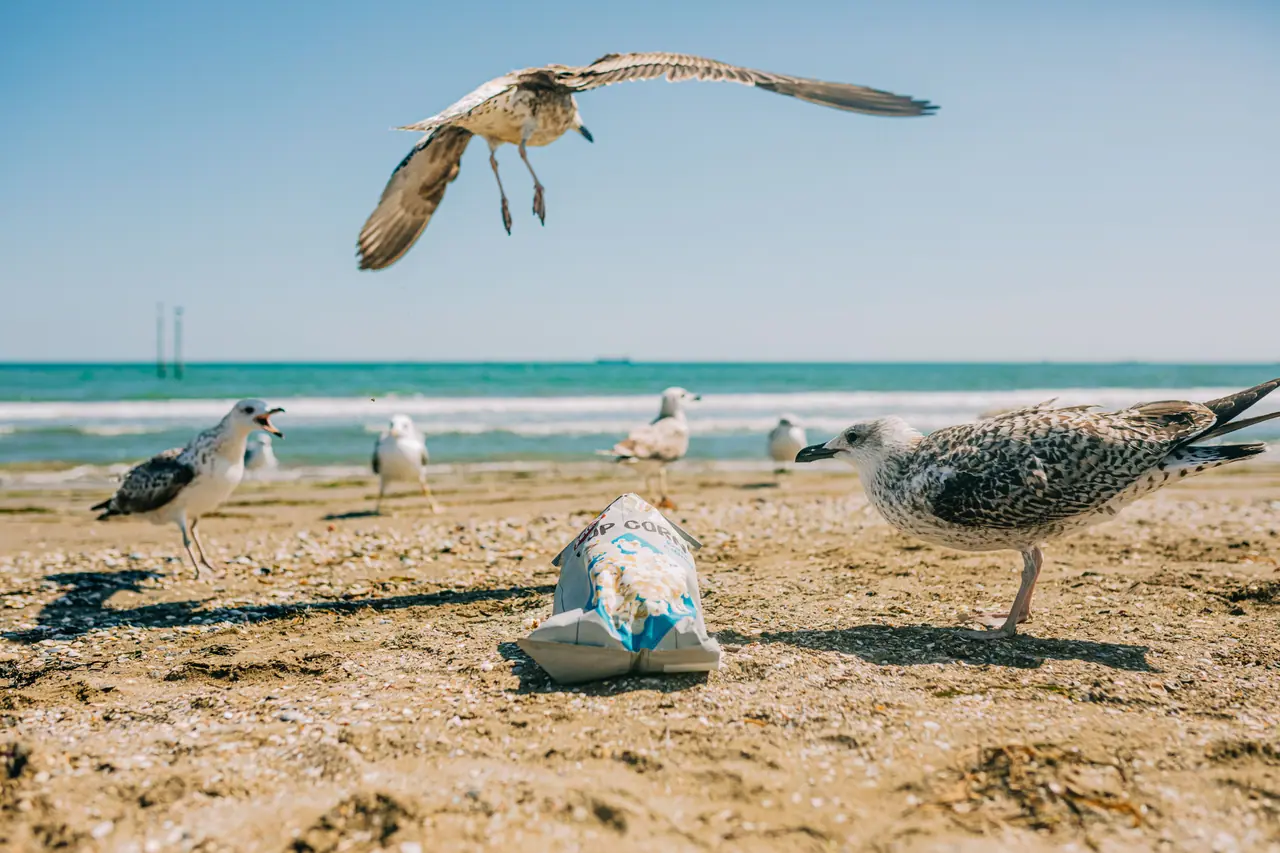
Nesting beaches, seabird colonies and other coastal habitats can be harmed by debris and disturbance.
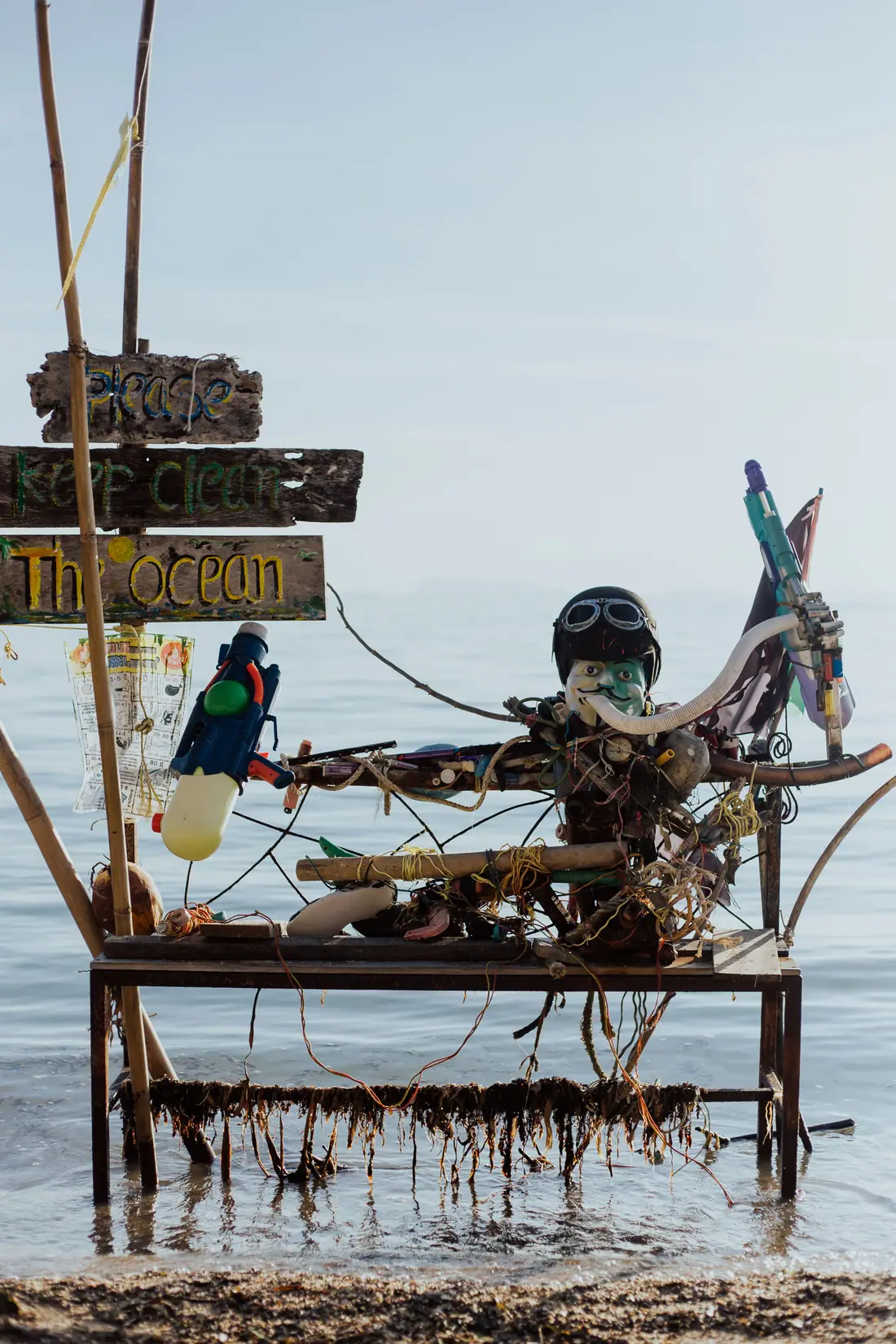
Cleanups ease a problem temporarily. Lasting change means reducing the waste that reaches the sea in the first place.
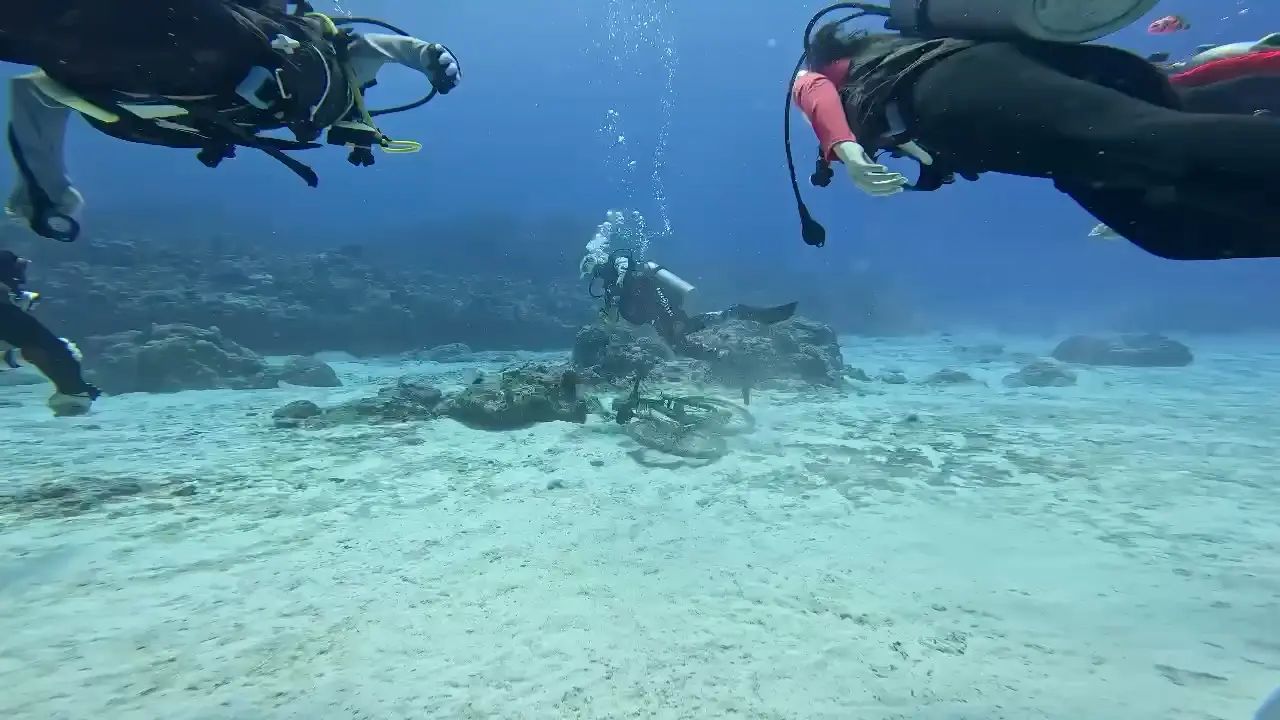
Marine habitat support would follow local conservation priorities, guided by the people who know the coast.
Engineering and testing
Engineering-led ocean conservation: testing water quality, monitoring habitats and improving equipment, so teams can act on reliable data.
Engineering strategy and equipment reliability are part of Omar's role as Chief Executive Officer.
Monitor changes in water temperature, dissolved oxygen, salinity, pH and clarity to identify conditions that may threaten marine habitats.
Document coral condition, bleaching, growth and survival through repeat underwater surveys and photographic monitoring.
Develop, maintain and improve monitoring equipment, underwater camera systems and field sampling tools.
Help animal-care teams improve the reliability of pumps, filtration systems, water-quality sensors and equipment alarms.
Conduct shoreline surveys and cleanup projects while tracking debris types and recurring sources.
Train volunteers in consistent sampling, equipment handling and field documentation so their work produces useful conservation data.
Every project emphasizes repeatable methods, equipment reliability and clear reporting.
Establish local conditions before anything changes.
Find the problem and its likely sources, with specialists.
Develop a practical response, from repaired equipment to a cleanup plan.
Repeat the measurements and report what changed, with methods and limits.
| Test or assessment | What it helps evaluate | Equipment used |
|---|---|---|
| Temperature and salinity monitoring | Seasonal changes and unusual water conditions | Multiparameter sonde, conductivity sensor, temperature loggers |
| Dissolved oxygen testing | Oxygen available to marine organisms | Optical dissolved oxygen meter or probe |
| pH monitoring | Changes in seawater chemistry | Marine-suitable calibrated pH instrument; specialist laboratory support for detailed carbonate chemistry |
| Turbidity and water clarity | Suspended sediment and reduced light penetration | Turbidity meter, Secchi disk |
| Nutrient sampling | Nitrogen and phosphorus concentrations | Sample bottles, cooler, field blanks, laboratory analysis |
| Coral condition surveys | Bleaching, disease signs, live coral cover and changes over time | Underwater camera, photo quadrats, transect tape, dive slate |
| Restoration monitoring | Survival and growth of individually tracked corals | Photo stations, scale markers, temperature loggers |
| Pump and filtration performance | Flow, pressure loss, energy use and equipment reliability | Flow meter, pressure gauges, power meter, data logger |
| Debris surveys | Quantity, composition and recurrence of shoreline litter | GPS, scales, standardized survey forms, collection equipment |
First-year goals
| Focus area | How it is measured | First-year goal |
|---|---|---|
| Water-quality monitoring | Completed station visits divided by scheduled visits | At least 90% completion across 6 pilot stations sampled monthly |
| Data quality | Records passing documented quality checks divided by collected records | At least 95% usable data |
| Equipment reliability | Valid recording hours divided by scheduled recording hours | At least 95% monitoring uptime |
| Coral assessment | Fixed survey plots photographed with consistent methods | 12 plots surveyed quarterly |
| Coral restoration | Live corals at 12 months divided by the original tracked cohort | Establish a baseline, then set a site- and species-specific survival goal |
| Debris prevention | Items per 100 meters of shoreline on repeat surveys | Aim for 20% lower debris density at selected pilot sites |
| Engineering improvements | Unplanned equipment downtime against baseline | Aim for 20% less downtime at supported facilities |
| Volunteer capability | Volunteers completing practical sampling training | 30 trained volunteers |
| Transparency | Reports published with methods and limitations | 4 quarterly updates |
Coral reefs occur in less than 1 percent of the ocean, yet are home to nearly one quarter of all ocean species.
Reefs act as natural breakwaters, buffering shorelines from waves and storms.
A 2014 meta-analysis of existing studies found that coral reefs reduce wave energy by an average of 97 percent, with reef crests alone dissipating most of it, about 86 percent.
Ferrario et al. (2014), Nature Communications 5:3794, via USGS
This is an average across the studies reviewed. It is not a guarantee for any particular reef.
Cleanup and habitat restoration do not make water safe to drink. If we take part in safe-water work, it would be as a separate program, supporting qualified local teams with appropriately scoped monitoring, equipment, maintenance and access projects.
Focus area
A city river linking Accra's streets to the sea, where plastic travels from drains to the shore.
Focus area
An inhabited island in the open Atlantic, where beaches face litter carried by ocean currents.
Focus area
An uninhabited island and nature reserve where litter arrives from far across the ocean.
Organization to exploreWorks on this waterway
An international organization whose Ghana program focuses on plastic pollution in the Odaw River, combining awareness, cleanup events and prevention measures. It is not a locally founded NGO.
Official website of River Cleanup, Ghana program (external site)
Organization to exploreWorks in a related habitat
A Cabo Verde conservation organization based in Mindelo, São Vicente. Its work spans marine turtles, seabirds and coastal habitats, and includes beach cleanups on São Vicente and Santa Luzia alongside education and recycling.
Collected waste still needs somewhere to go. Planning for that comes first.
If you work on oceans & coasts or the communities beside them, we would like to hear from you.
Connect with us