
Proposed focus area
Lake Victoria
Africa's largest lake, shared by three countries. Our proposed interest is the Ugandan basin and its wetlands.
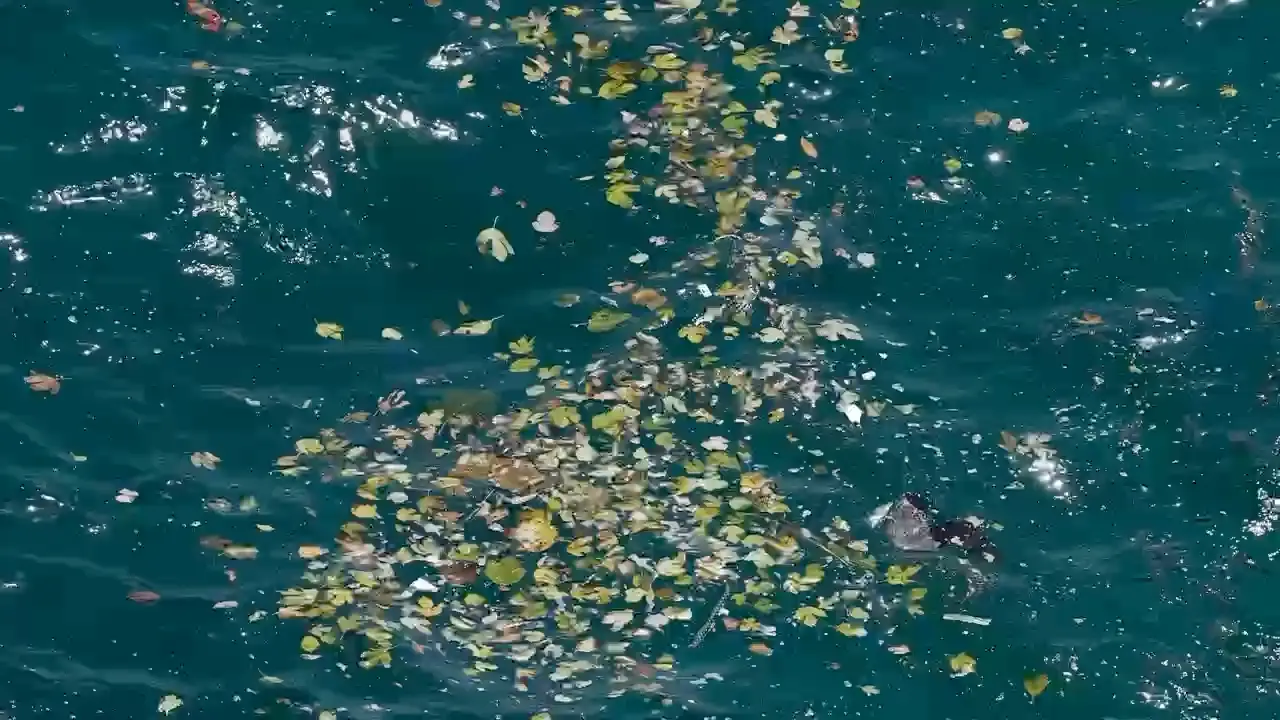
Program
Proposed program
Lakes and wetlands hold water, wildlife and livelihoods in place, and they respond slowly to what flows into them.
A lake is the end of many streams, which means it collects the story of its whole basin. Wetlands at its edges provide habitat and help buffer what arrives. Our lake program aims to support the people who look after these places.
The program is a proposal, and its first focus is Lake Victoria, a lake shared by three countries.
Sewage, farm runoff and other sources can add nutrients that fuel algal growth and reduce oxygen in the water.
Fast-growing towns around a lake can outpace wastewater services.
Pollution crosses borders, so lake protection needs coordination between countries and communities.
Draining or building on wetlands removes habitat and the natural buffering they provide.
All activities are proposals. None has started.
Cleanup and habitat restoration do not make water safe to drink. If we take part in safe-water work, it would be as a separate program, supporting qualified local teams with appropriately scoped monitoring, equipment, maintenance and access projects.
Proposed focus area
Africa's largest lake, shared by three countries. Our proposed interest is the Ugandan basin and its wetlands.
Listings are informational and do not imply a partnership with Flow for Tomorrow.
Organization to exploreWorks in a related habitat
Uganda's membership, research and conservation organization, also known as the East Africa Natural History Society. It supports wetland management planning at several sites, including Mabamba and Lutembe bays on Lake Victoria. Its work concerns specific wetlands, not a lake-wide cleanup.
Illustrative photography of this kind of place.
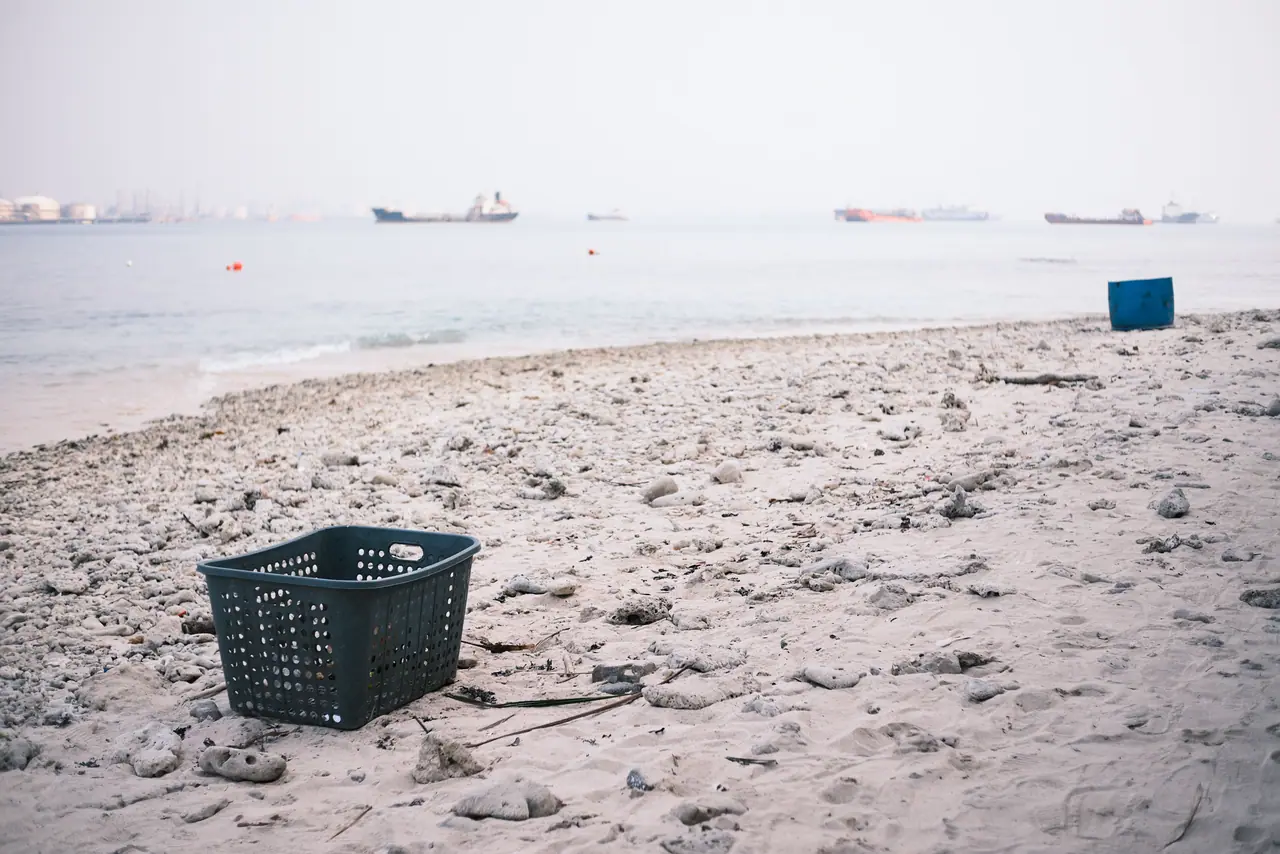
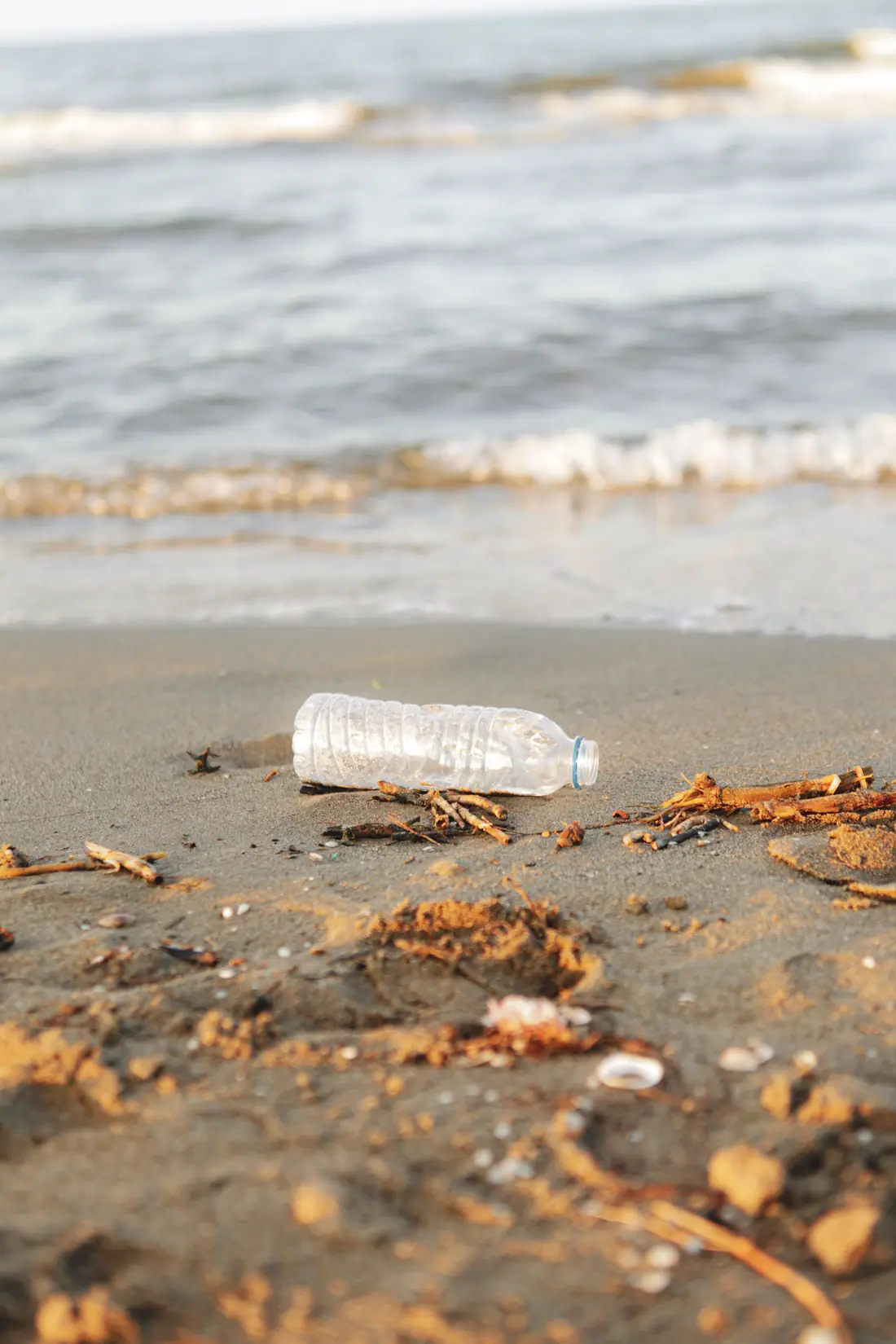
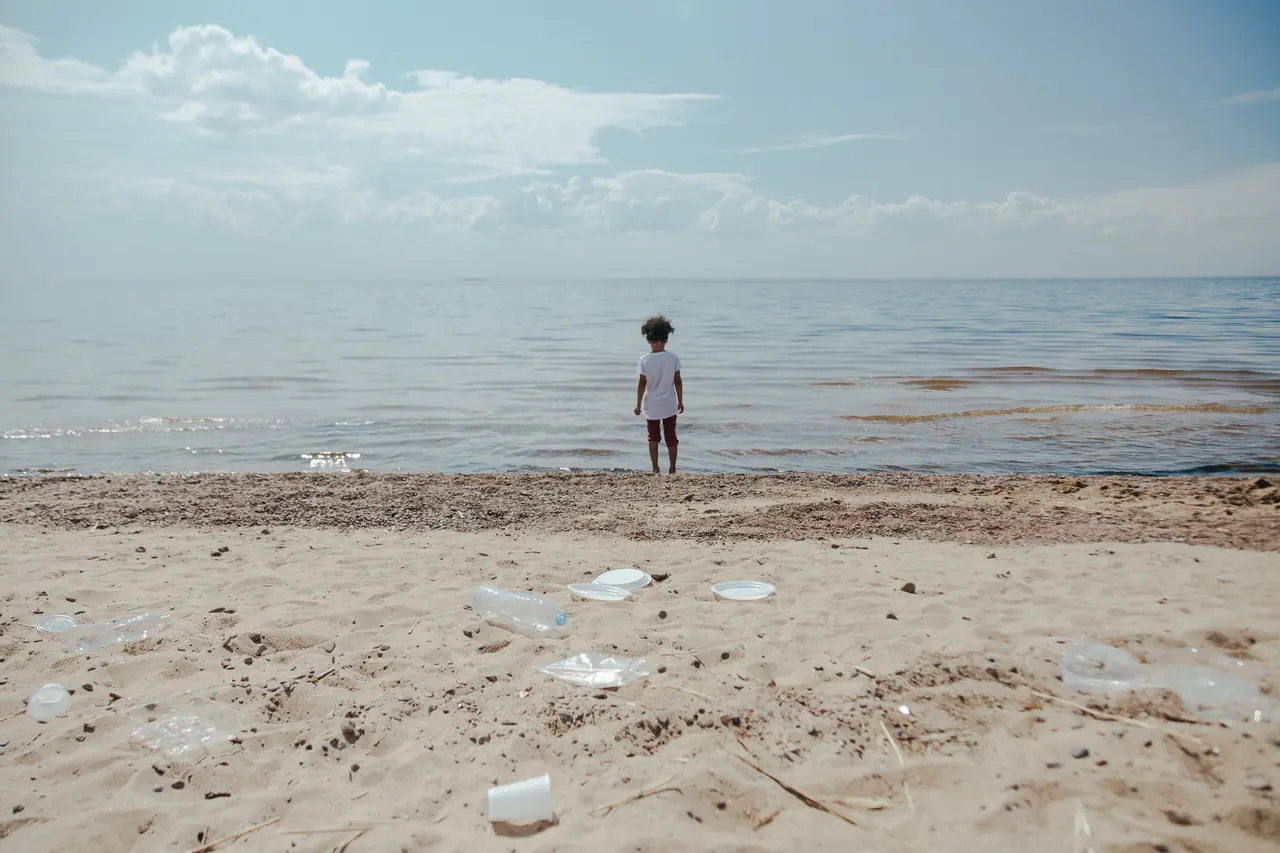
If you work on lakes & wetlands or the communities beside them, we would like to hear from you.
Connect with us